Featured News

Eric Stach Named Scientific Director of the Singh Center for Nanotechnology
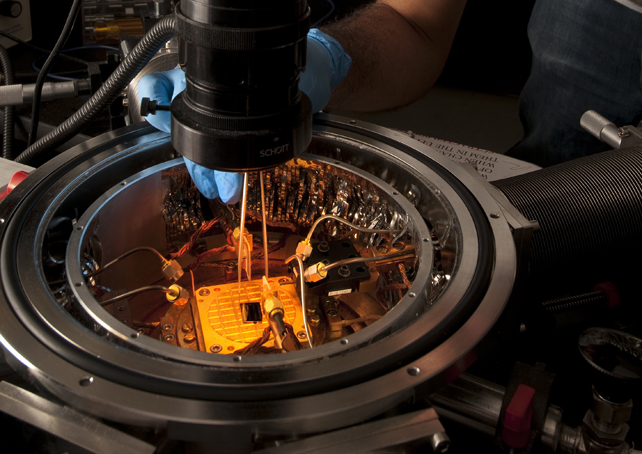
Dean of the School of Engineering and Applied Science, Vijay Kumar, announced the appointment of Eric Stach as the new Scientific Director of the Singh Center for Nanotechnology. Stach brings a wealth of experience and expertise to his new role at the Singh Center. Read more.
From Labs to Laps: Materials Science and Engineering Department Community Compete in Philadelphia Marathon Events
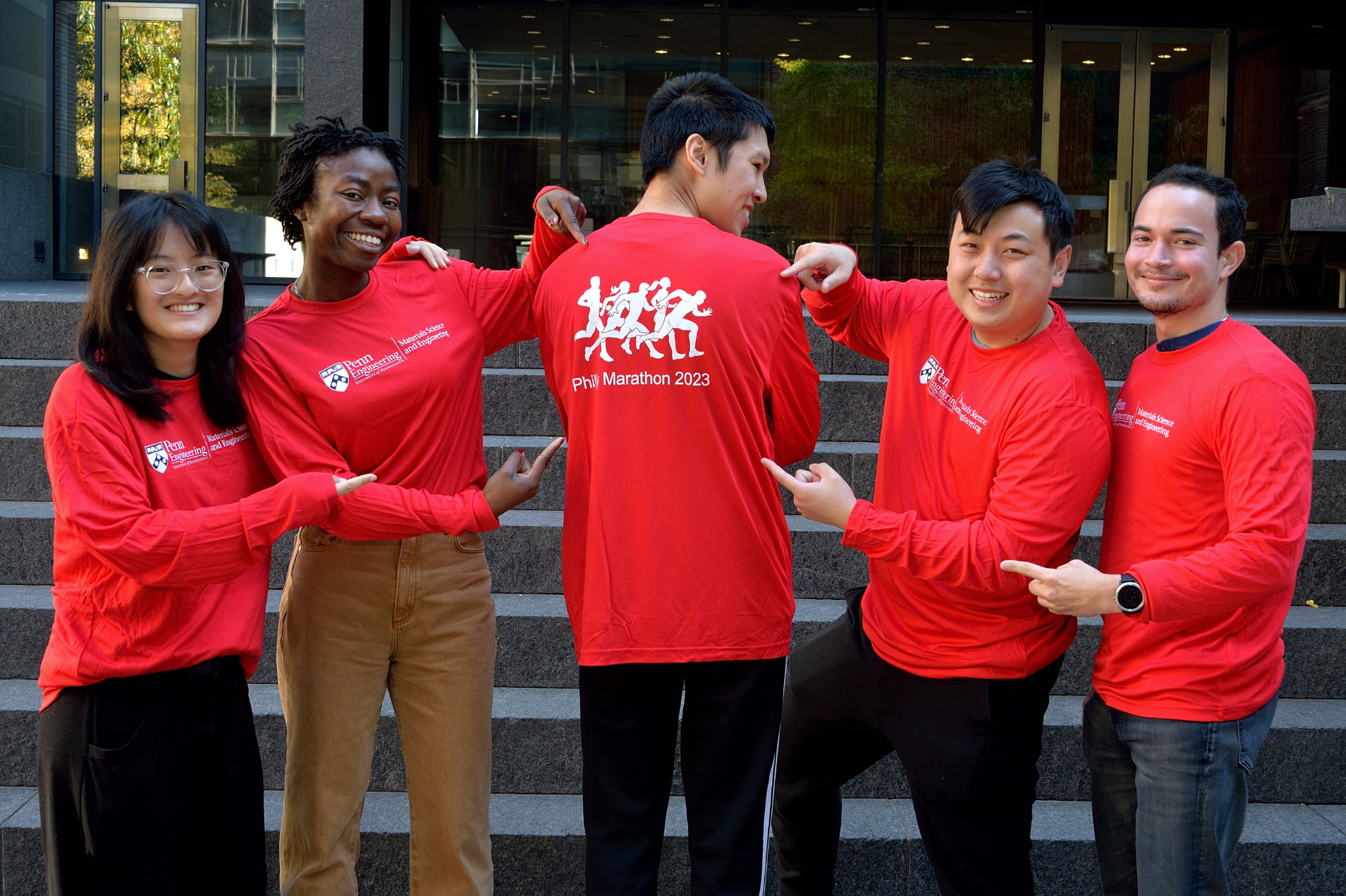
It is anticipated that more than 8,000 registered runners will compete in this year’s Philadelphia Marathon. Among them are members of the Department of Materials Science and Engineering Community. Read more.
Scientists observe composite superstructure growth from nanocrystals in real time
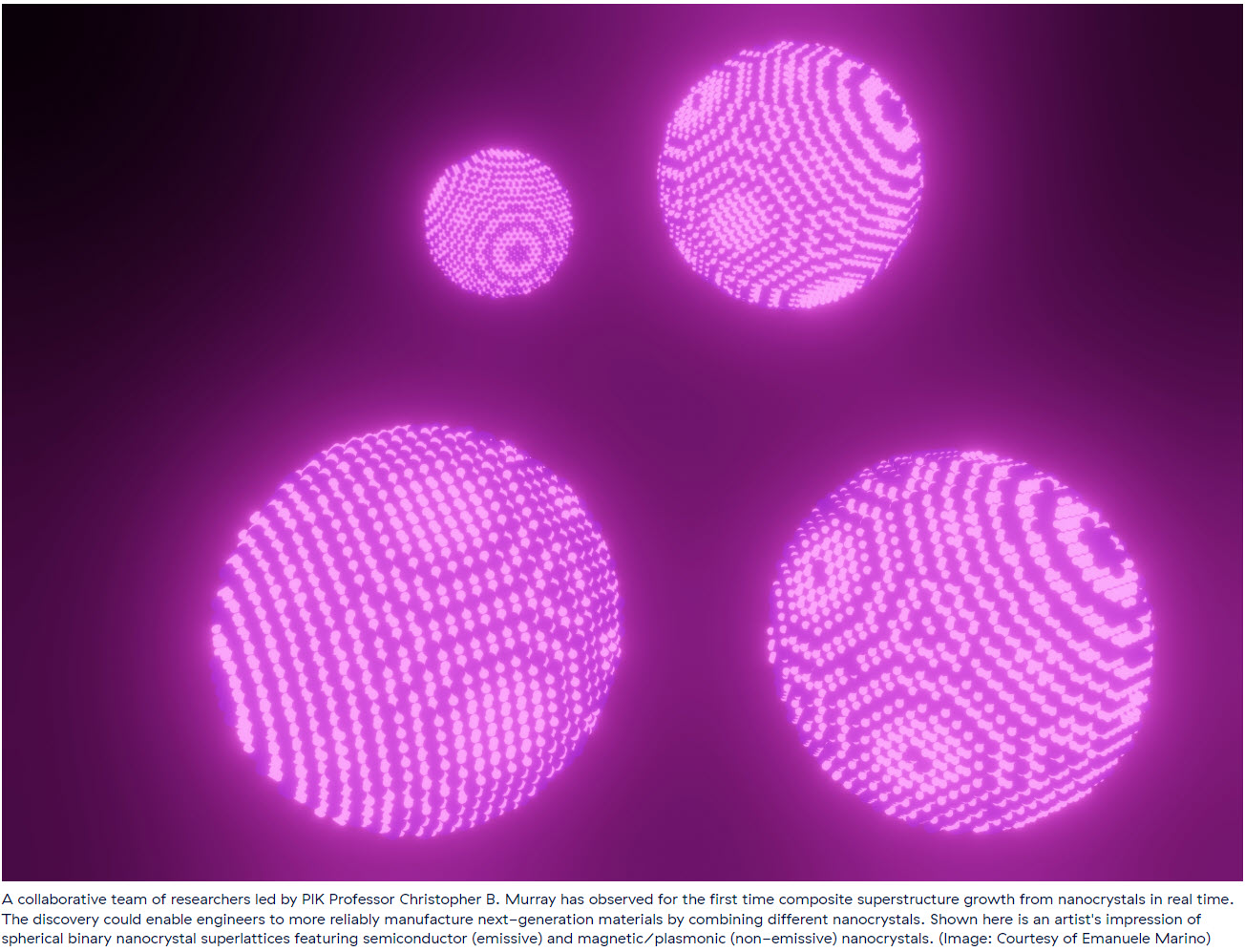
A collaborative team of researchers from the University of Pennsylvania and the University of Michigan, led by Department of Materials Science and Engineering Professor Christopher B. Murray, has observed for the first time composite superstructure growth from nanocrystals in real time. The discovery could enable engineers to more reliably manufacture next-generation materials by combining different nanocrystals. Read more.
Penn Among Education Partners in Mid-Atlantic Clean Hydrogen Hub (MACH2) to Advance Clean Energy
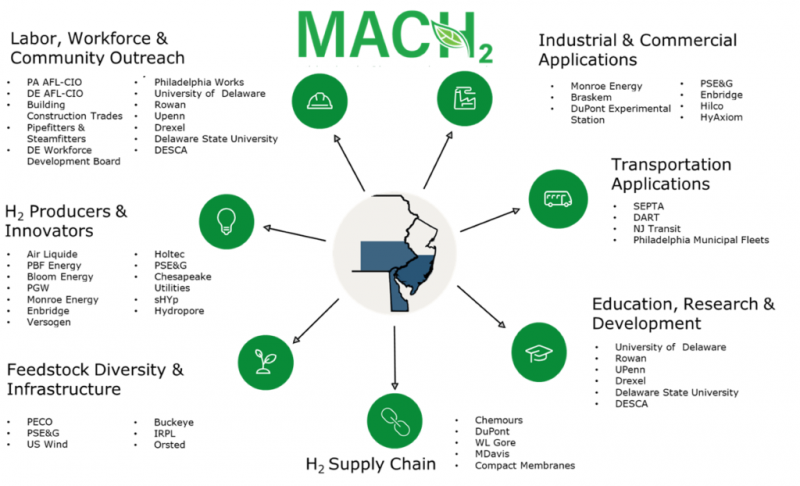
Eric Detsi, Associate Professor, Department of Materials Science and Engineering, chosen to lead (Penn/Drexel) in Mid-Atlantic Clean Hydrogen Hub (MACH2) to Advance Clean Energy. Read more.
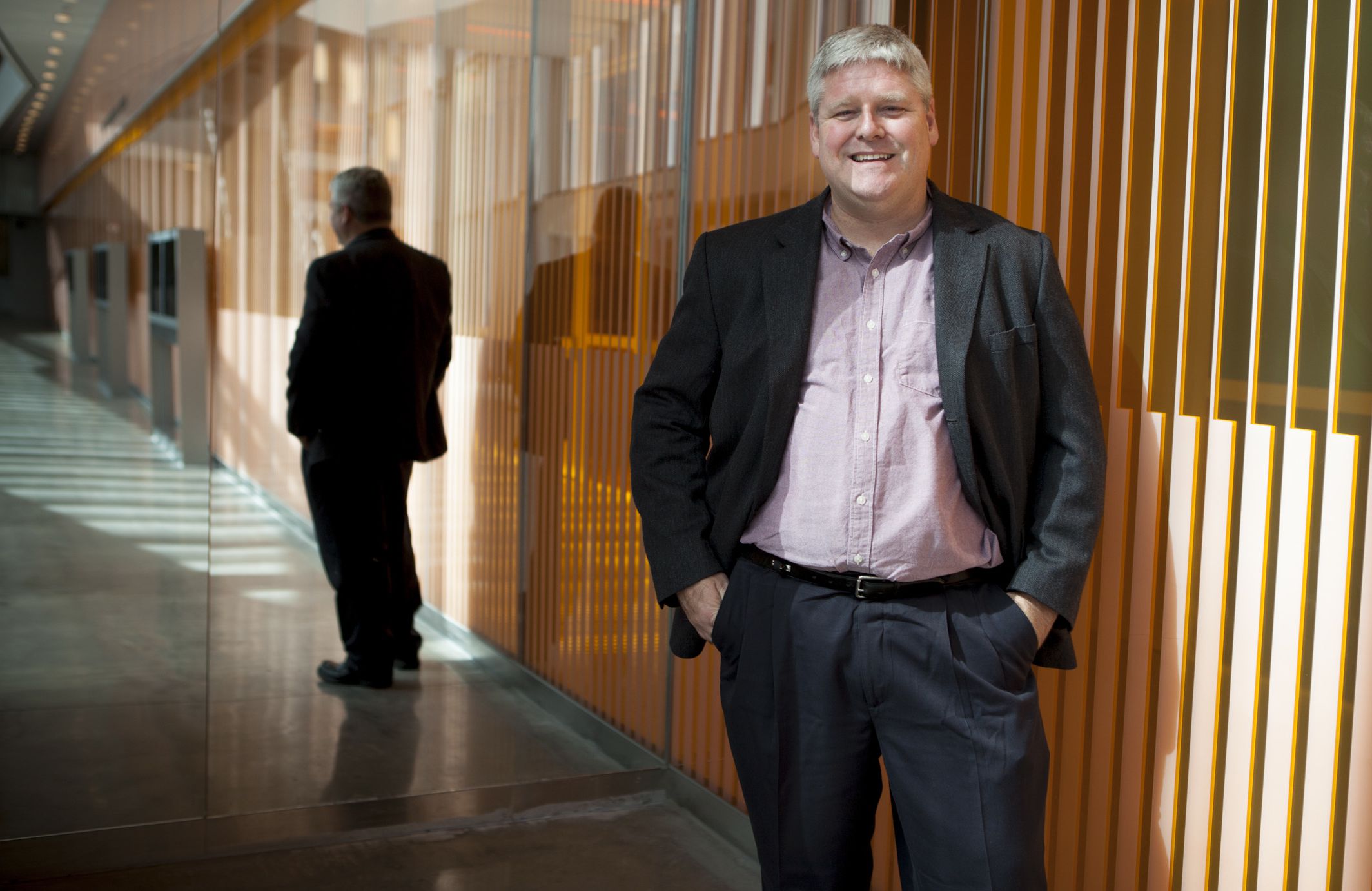
Delving into Quantum Dots
Christopher B. Murray, Richard Perry University Professor of Chemistry and Materials Science and Engineering, shares his excitement, thoughts, and knowledge on quantum dots, a nanoparticle that just earned his Ph.D. advisor the Nobel Prize in Chemistry. Read More
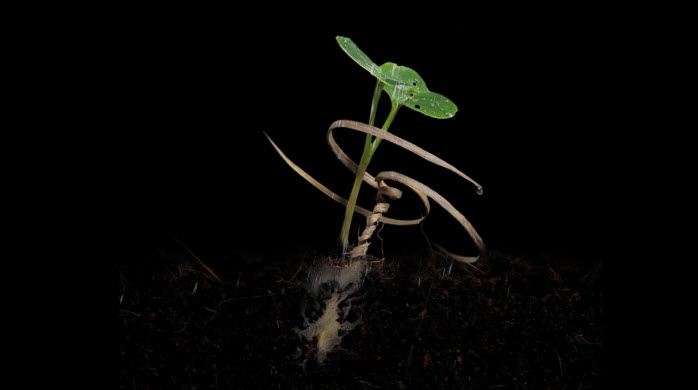
Engineered Magic: Wooden Seed Carriers Mimic the Behavior of Self-Burying Seed
Inspired by Erodium’s magic, Shu Yang, Joseph Bordogna Professor and Chair of Materials Science and Engineering and Professor in Chemical and Biomolecular Engineering at Penn Engineering, and Lining Yao, Cooper-Siegel Assistant Professor of Human-Computer Interaction at Carnegie Mellon University (CMU), and a team of collaborators worked to engineer a biodegradable seed carrier referred to as “E-seed.” Read More.
MSE Events
Announcement
What is Materials Science?
Understanding the behavior of materials has given rise to countless innovations and breakthroughs ranging from stone tools, which led to the discovery of fire in the prehistoric period, to silicon chips and silicon solar cells in our modern era. In a broad sense, materials science involves studying the synthesis, processing, structure, properties and performance of materials.
Learn More